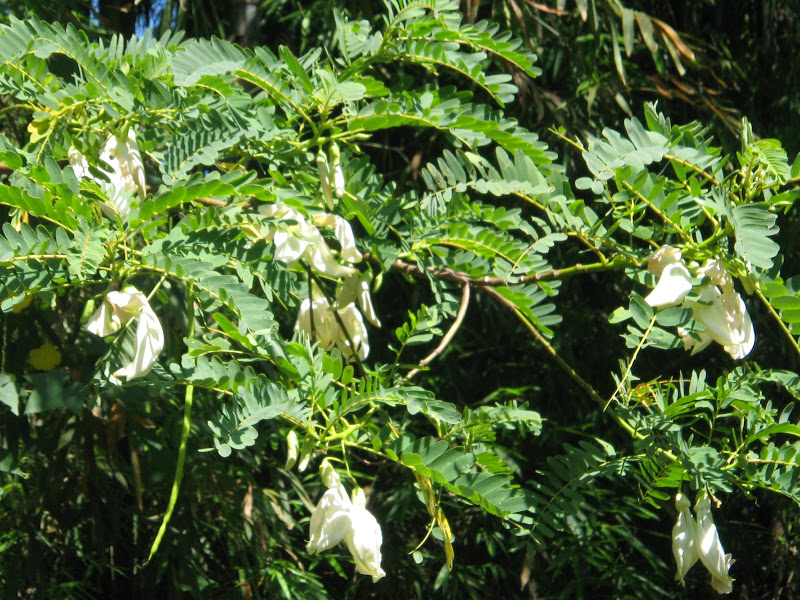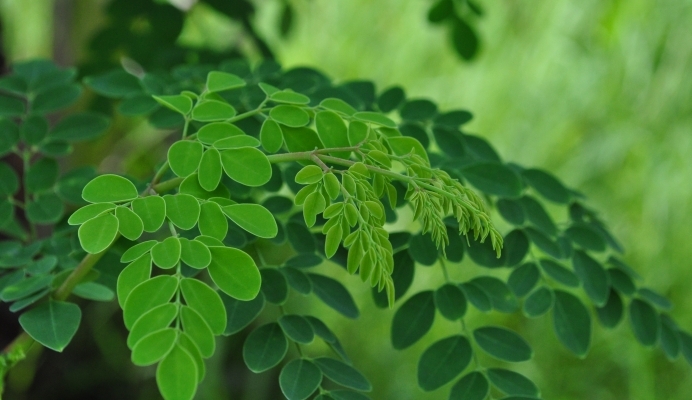
The horseradish or malunggay is a plant known for its leaves that can be eaten as a vegetable. It is common in low-lying areas in the Philippines, a small tree with leaves and circles. The fruit is oblong like legumes and the flowers are white and fragrant smell. The plant proved rich in essential vitamins and minerals.
what is the nutrition and chemical available malunggay?
the different parts of the plant horseradish can capture a wide variety of chemicals and substances that may have health benefits:
the seeds have ben oil or behen oil contains palmitic, stearic, myristic, oleic and behenic acids
the root also had alkaloid moringine and moringinine
the leaves are rich in calcium, iron, phosphorus and vitamins a, b and c
the fruit also contains protein and phosphorus, calcium and iron
what part of the plants used as drugs, and how to use them?
can be used as medicine some parts of the plant such as:
leaves. The horseradish leaves are boiled and consumed, or eaten by itself. It can also grind and patching certain affected area.
Fruit The bean-like fruits are also eaten for some conditions in the body.
root. The root is usually boiled to drink and also cure.
bark. Also effective decoction of the bark of horseradish
what diseases and conditions that may be treated?
1. Hiccup. The hiccup that could help ease the drinking decoction of the leaves of horseradish.
2. Breastfeeding milk. Helps them to take the decoction of young leaves of horseradish on strengthening milk of nursing mothers.
3. Difficulties in bowel movements. The constipation or constipation can be helped by eating the fruit and leaves of horseradish
4. Wounds. The sustained severe wounds can be washed with the decoction of the root of horseradish. The crushed leaves mixed with coconut oil is also ideal to accelerate wound healing.
5. Muscle aches (spasm). drinking the decoction of the roots of horseradish those aching muscles spasm due.
6. Sore throat. Also effective for sore throat rinse decoction of the root.
7. Arthritis. The condition also can relieve arthritis with the help of drinking decoction of the seeds of horseradish, or decoction of the leaves of horseradish.
8. Hypertension.can decrease blood pressure by eating seeds of horseradish.
9. Asthma. Can also help with asthma condition of drinking milk mix with root extract of horseradish.
10. Worms in the stomach. Also used to deworm by eating the seeds of horseradish.