 The miracle leaf is a plant of medium height and only known for its roots to the leaves. The leaves of native roots can be grown and profit of the new plant. It has thick, succulent leaves and there is also a lot of flowers bowed. It usually grows in many place in archipelago of the Philippines and other Asian countries in tropical regions.
what is the nutrition and chemical available miracle leaf?
the different parts of the plant can wonderfully capture a wide variety of chemicals and substances that may have health benefits:
the chemicals that can get plants are alkaloids, triterpenes, glycosides, flavonoids, steroids, butadienolides, lipids, and organic acids. There arachidic acid, astragalin, behenic acid, beta amyrin, benzenoids, bersaldegenin, beta-sitosterol, bryophollenone, bryophollone, bryophyllin, caffeic acid, ferulic acid, quercetin, steroids, and taraxerol.
the leaves contain bryophyllum a, b and c, and malic acid.
What part of the plants used as drugs, and how to use them?
can be used as medicine some parts of the plant such as:
the whole plant can be used the extract treatment.
Leaves. extraction or beat the thick foliage miracle leaf apply to the affected area in the body. It can also heat it on fire before applying on the skin.
what diseases and conditions that may be treated by miracle leaf?
1. Insect bites. crushed leaves and apply on the affected area. This will help to lose itching and irritation to the skin.
2. Eczema. The condition of eczema or inflammation of the skin can be treated by crushed leaves of miracle leaf.
3. Wounds. To accelerate wound healing fire. It can also grind before down to help heal wounds.
4. Boil. The plaster is also boil leaves slightly flattened. You can also use the treated leaves in fire.
5. Diarrhea and dysentery. The continuous pollution might help ease the drinking the juice wonderfully available on leaves and branches.
6. Asthma. The leaves are first soaked in hot water for 15 minutes to extract and drink for asthma condition.
7. High blood pressure. Effectively lowers blood pressure drinking the juice plant marvel.
8. Ear aches. Also drops in a sore ear leaf extract strange to feel better.
9. Headaches. apply the leaves on the forehead and temples to reduce the headaches.
10. Rheumatism. apply the crushed leaves on the aching joints caused by arthritis.
The miracle leaf is a plant of medium height and only known for its roots to the leaves. The leaves of native roots can be grown and profit of the new plant. It has thick, succulent leaves and there is also a lot of flowers bowed. It usually grows in many place in archipelago of the Philippines and other Asian countries in tropical regions.
what is the nutrition and chemical available miracle leaf?
the different parts of the plant can wonderfully capture a wide variety of chemicals and substances that may have health benefits:
the chemicals that can get plants are alkaloids, triterpenes, glycosides, flavonoids, steroids, butadienolides, lipids, and organic acids. There arachidic acid, astragalin, behenic acid, beta amyrin, benzenoids, bersaldegenin, beta-sitosterol, bryophollenone, bryophollone, bryophyllin, caffeic acid, ferulic acid, quercetin, steroids, and taraxerol.
the leaves contain bryophyllum a, b and c, and malic acid.
What part of the plants used as drugs, and how to use them?
can be used as medicine some parts of the plant such as:
the whole plant can be used the extract treatment.
Leaves. extraction or beat the thick foliage miracle leaf apply to the affected area in the body. It can also heat it on fire before applying on the skin.
what diseases and conditions that may be treated by miracle leaf?
1. Insect bites. crushed leaves and apply on the affected area. This will help to lose itching and irritation to the skin.
2. Eczema. The condition of eczema or inflammation of the skin can be treated by crushed leaves of miracle leaf.
3. Wounds. To accelerate wound healing fire. It can also grind before down to help heal wounds.
4. Boil. The plaster is also boil leaves slightly flattened. You can also use the treated leaves in fire.
5. Diarrhea and dysentery. The continuous pollution might help ease the drinking the juice wonderfully available on leaves and branches.
6. Asthma. The leaves are first soaked in hot water for 15 minutes to extract and drink for asthma condition.
7. High blood pressure. Effectively lowers blood pressure drinking the juice plant marvel.
8. Ear aches. Also drops in a sore ear leaf extract strange to feel better.
9. Headaches. apply the leaves on the forehead and temples to reduce the headaches.
10. Rheumatism. apply the crushed leaves on the aching joints caused by arthritis.
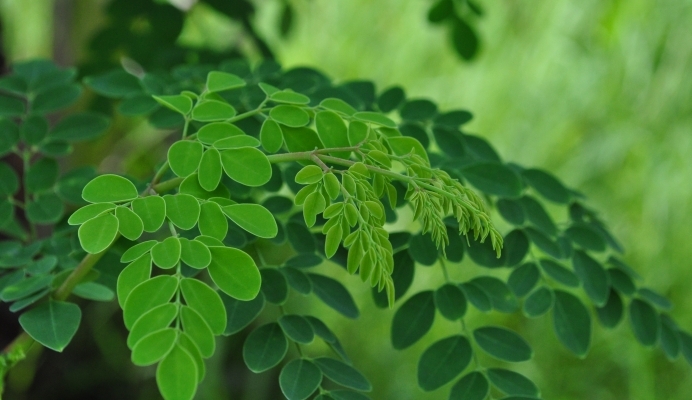 The horseradish or malunggay is a plant known for its leaves that can be eaten as a vegetable. It is common in low-lying areas in the Philippines, a small tree with leaves and circles. The fruit is oblong like legumes and the flowers are white and fragrant smell. The plant proved rich in essential vitamins and minerals.
what is the nutrition and chemical available malunggay?
the different parts of the plant horseradish can capture a wide variety of chemicals and substances that may have health benefits:
the seeds have ben oil or behen oil contains palmitic, stearic, myristic, oleic and behenic acids
the root also had alkaloid moringine and moringinine
the leaves are rich in calcium, iron, phosphorus and vitamins a, b and c
the fruit also contains protein and phosphorus, calcium and iron
what part of the plants used as drugs, and how to use them?
can be used as medicine some parts of the plant such as:
leaves. The horseradish leaves are boiled and consumed, or eaten by itself. It can also grind and patching certain affected area.
Fruit The bean-like fruits are also eaten for some conditions in the body.
root. The root is usually boiled to drink and also cure.
bark. Also effective decoction of the bark of horseradish
what diseases and conditions that may be treated?
The horseradish or malunggay is a plant known for its leaves that can be eaten as a vegetable. It is common in low-lying areas in the Philippines, a small tree with leaves and circles. The fruit is oblong like legumes and the flowers are white and fragrant smell. The plant proved rich in essential vitamins and minerals.
what is the nutrition and chemical available malunggay?
the different parts of the plant horseradish can capture a wide variety of chemicals and substances that may have health benefits:
the seeds have ben oil or behen oil contains palmitic, stearic, myristic, oleic and behenic acids
the root also had alkaloid moringine and moringinine
the leaves are rich in calcium, iron, phosphorus and vitamins a, b and c
the fruit also contains protein and phosphorus, calcium and iron
what part of the plants used as drugs, and how to use them?
can be used as medicine some parts of the plant such as:
leaves. The horseradish leaves are boiled and consumed, or eaten by itself. It can also grind and patching certain affected area.
Fruit The bean-like fruits are also eaten for some conditions in the body.
root. The root is usually boiled to drink and also cure.
bark. Also effective decoction of the bark of horseradish
what diseases and conditions that may be treated?
1. Hiccup. The hiccup that could help ease the drinking decoction of the leaves of horseradish.
2. Breastfeeding milk. Helps them to take the decoction of young leaves of horseradish on strengthening milk of nursing mothers.
3. Difficulties in bowel movements. The constipation or constipation can be helped by eating the fruit and leaves of horseradish
4. Wounds. The sustained severe wounds can be washed with the decoction of the root of horseradish. The crushed leaves mixed with coconut oil is also ideal to accelerate wound healing.
5. Muscle aches (spasm). drinking the decoction of the roots of horseradish those aching muscles spasm due.
6. Sore throat. Also effective for sore throat rinse decoction of the root.
7. Arthritis. The condition also can relieve arthritis with the help of drinking decoction of the seeds of horseradish, or decoction of the leaves of horseradish.
8. Hypertension.can decrease blood pressure by eating seeds of horseradish.
9. Asthma. Can also help with asthma condition of drinking milk mix with root extract of horseradish.
10. Worms in the stomach. Also used to deworm by eating the seeds of horseradish.
 |
| Kinchai or Celery |
Kinchai or celery is a common vegetable that is sold in the market. It is only small plants with tender branches. In the Philippines, two types of plants grow kinchai: a thinner more visible in low-lying areas (Chinese celery), and another one with a stout stems that grow in higher areas like benguet (usually celery). It came from countries in europe and north asia.
what is the nutrition and chemical available celery?
the different parts of the plant kintsai can capture a wide variety of chemicals and substances that may have health benefits:
the plants of celery contain glucoside, apiin, mannite and inosite
the seeds are also rich in flavonoids, anthrons, xanthones and tannins.
one study also says that the plant has calories, vitamin k, molybdenum, folate, potassium, fiber, manganese, vitamin b2, pantothenic acid, copper, calcium, vitamin c, vitamin b6, magnesium, vitamin a
what part of the plants used as drugs, and how to use them?
can be used as medicine some parts of the plant such as:
the whole plant of celery can be eaten and used in treatment. It can extract, patching, boil in water and drinks like tea.
what diseases and conditions that may treated celery?
1. Difficulty in urination. Effective aid urination drinking a decoction of the leaves and stalk of celery.
2. Asthma. It may help to difficulty in breathing caused by asthma inhalation crushed seeds of celery. Puts on the cloth before the crushed seeds breathe. You can also drink decoction of seeds.
3. High blood pressure. Also can decrease the blood pressure, eating leaves and stalk of celery.
4. Rheumatism. A regular diet of celery will help to reduce the pain of the joints due to arthritis. Has the same effect was drinking the decoction of the seeds of celery.
5. Gout. A regular diet of celery also helps in reducing the impact of gout on the body.
6. Damage of cells due to free radicals. There is a strong antioxidant juice celery, and so help to take it to reduce the destruction of cells in the body, for example the wrinkles in the skin.
7. Damage to the liver. Helps in the recovery of damaged liver regularly eating vegetables kinchai
8. Cancer. Some studies also say that a good effect on people with cancer drinking celery juice.
